Why We Use High Voltage to Transmissions line? Electricity is transmitted at high voltages to reduce energy loss due to resistance over long distances. This reduces the amount of power lost as electricity flows from one location to the next, increasing efficiency.
In electrical power transmission, the use of high voltage plays a critical role in ensuring the effective and efficient delivery of electricity over long distances. High voltage permits the transmission of electricity with minimized energy loss, as it reduces the amount of power lost due to resistance over lengthy routes.
Why We Use High Voltage to Transmission line

Understanding Power Loss in Lines
Imagine electricity flowing through a power line like water flowing through a pipe. Just like friction slows down water, resistance in the line’s conductor dissipates power as heat. This energy loss is undesirable, especially over long distances.
The Power Loss Formula
Here’s the crucial formula: Power Loss = I^2 * R, where:
- I is the current flowing through the line.
- R is the resistance of the conductor material.
Where High Voltage Comes In
Now, let’s play with this formula. We want to minimize power loss, and there are two ways to do it:
- Reduce R: This involves using thicker conductors, which is expensive and impractical for long distances.
- Reduce I: This is where high voltage shines!

Think of it this way: Why We Use High Voltage to Transmission line
for the same amount of power (P) transmitted, we can:
- Use high voltage (V) and low current (I), or
- Use low voltage (V) and high current (I).
The I^2 term in the power loss formula makes high voltage the clear winner. Lower current means significantly less power wasted as heat, making transmission much more efficient.
Benefits of High Voltage
Using high voltage offers several advantages:
- Reduced energy loss: Less power wasted means more efficient delivery and lower environmental impact.
- Smaller conductors: Thinner conductors are lighter and cheaper to install and maintain.
- Fewer transmission lines: High voltage lines can carry more power, reducing the need for multiple lines.
Trade-offs and Limitations
Of course, high voltage comes with challenges:
- Safety concerns: High voltage is dangerous and requires robust safety measures.
- Cost of equipment: Transformers and other equipment for high voltage are more expensive.
- Environmental impact: Large transmission lines can have visual and land-use impacts.
FAQ’s
What is high voltage transmission lines?
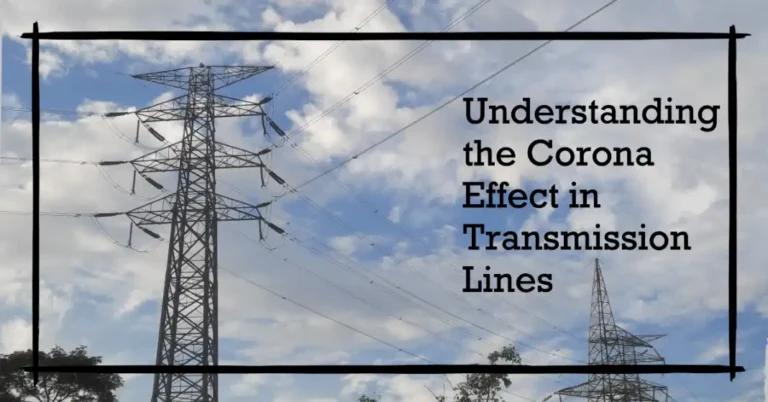
High voltage transmission lines are the backbone of long-distance electricity transportation, carrying electricity from power plants to substations and distribution networks. These lines operate at voltages significantly higher than the typical 120/240V used in homes, ranging from tens of thousands to hundreds of thousands of volts.
What is the maximum high voltage transmission line?
Technically, there’s no absolute maximum, but commercially practiced voltages currently cap out at around 1,150 kV for overhead lines and ±1,100 kV for high-voltage direct current (HVDC) lines. Pushing beyond these limits becomes challenging due to insulation issues and corona discharge (energy loss and audible noise).
What are the types of transmission lines voltage?
Types of transmission line voltage:
- Low voltage (LV): Up to 1 kV, utilized for short distances within facilities.
- Medium voltage (MV): 1 kV to 35 kV, common for distribution networks within cities.
- High voltage (HV): 35 kV to 132 kV, used for regional transmission.
- Extra high voltage (EHV): 132 kV to 800 kV, suitable for long-distance bulk power transmission.
- Ultra high voltage (UHV): Above 800 kV, employed for transmitting vast amounts of power over extremely long distances (still evolving technology).
What is the reason for high voltage transmission?
Higher voltages reduce power loss during transmission. Imagine electricity as water flowing: a wider pipe (higher voltage) allows more water (power) to travel further with less spillage (energy loss). This translates to increased efficiency and cost savings over long distances.
Are high voltage lines AC or DC?
Most high voltage transmission lines use AC (alternating current) due to its established infrastructure and easier conversion to various voltage levels. However, HVDC lines are gaining traction for specific applications like underwater or underground transmission due to their lower losses over long distances and ability to connect asynchronous grids.
What are the uses of high voltage?
Uses of high voltage:
- Delivering electricity from remote power plants to cities and towns.
- Connecting renewable energy sources like wind farms and solar installations to the grid.
- Exporting and importing electricity between countries.
What is the principle of transmission line?
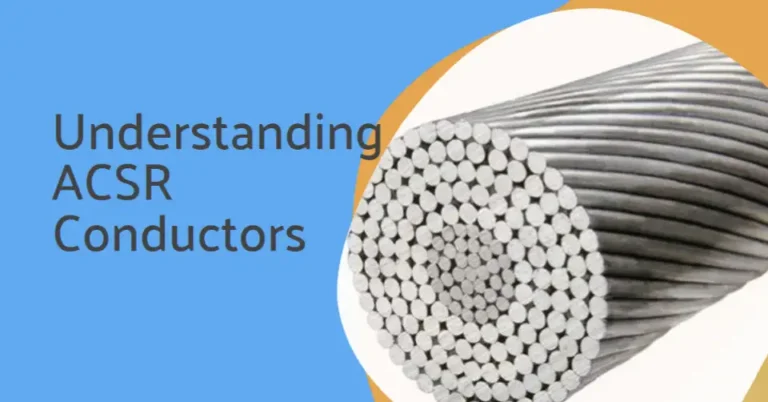
Power transmission lines act as conductors, sending electrical energy from one point to another. The conductors are typically aluminum or steel wires suspended on tall towers, with insulators preventing leakage.
What voltage is high voltage?
The definition of “high voltage” depends on context. In household settings, anything above 48V is considered high voltage. In power transmission, the threshold is generally considered 35 kV or higher.
What are examples of high voltage?
Examples of high voltage:
- Overhead power lines carrying electricity across long distances.
- Substation transformers that step up voltage for transmission or step down for distribution.
- Electric locomotives and high-speed trains.
- Industrial equipment, motors, and generators.
Is 11kV high or low voltage?
11kV is considered high voltage in household and low-voltage contexts but falls under the medium voltage category in power transmission.
What is high voltage system?
Refers to the entire infrastructure involved in high-voltage power transmission, including lines, towers, insulators, transformers, and control systems.
What is high voltage supply?
Electricity delivered at high voltage levels, typically for industrial or commercial applications.
What is high voltage issue?
High voltage issues:
- Safety hazards due to high electric field strengths.
- Corona discharge causing power loss and audible noise.
- Environmental concerns related to electromagnetic fields (EMFs).
- Right-of-way acquisition and public opposition to lines.
How do you control high voltage?
- Using specialized insulation materials and maintaining safe clearance distances.
- Grounding and shielding equipment to prevent electrical shocks.
- Implementing protection and control systems to prevent overcurrents and faults.
- Following safety regulations and best practices for working with high voltage equipment.